



 русский
 فارسی
فارسی العربية
 English
 Milk
Milk  Cheese
  Cream
Cream  Juice
Juice  Doogh/Whey
  Powder
  Butter
 The Essential Guide to Detecting Adulteration in Food and Dairy Products
Food adulteration—altering food quality to cheat consumers—threatens safety, nutrition, and health. Recognizing and detecting adulterants is essential to protect public well-being.
Introduction
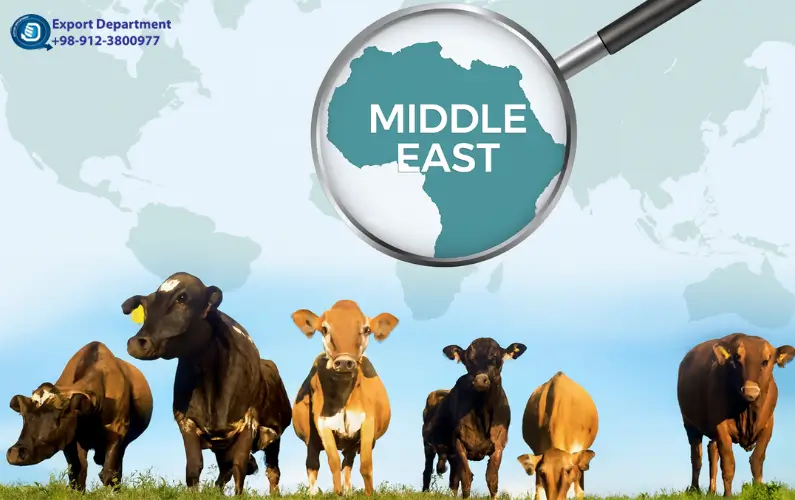
The Middle East milk and dairy products market plays a critical role in the region’s food security and nutritional landscape. Dairy products such as milk, yogurt, cheese, butter, and milk powder remain essential components of daily consumption across Middle Eastern countries. By 2026, the market is expected to reflect the combined impact of population growth, evolving dietary habits, government-backed food security strategies, and ongoing investment in production and processing infrastructure. This analysis provides a comprehensive overview of market size, key drivers, segmentation, regional performance, opportunities, and future outlook with a focus on 2025–2026 market dynamics.
Market Overview & Size (2025–2026)
By 2026, the Middle East milk and dairy products market is positioned at a pivotal stage of growth, supported by strong demand fundamentals and improving supply-side capabilities.
-
In 2025, the Middle East dairy market is estimated to reach approximately USD 42–43 billion, reflecting steady recovery and expansion driven by population growth, rising disposable income, and increased consumption of value-added dairy products.
-
By 2026, the market size is projected to grow to around USD 44.8–45 billion, indicating consistent year-on-year growth and reinforcing the region’s strategic importance within the global dairy industry.
-
Forward-looking projections suggest a CAGR of approximately 4.5–4.7% from 2026 onward, driven by product innovation, fortified dairy demand, and expanding retail penetration.
This growth trajectory highlights a transition from volume-driven expansion toward value-driven growth, with higher demand for functional, fortified, and premium dairy products.
Key Market Drivers
Population Growth and Urbanization
Rapid population growth across GCC countries, Iran, and North Africa continues to increase overall dairy consumption. Urban lifestyles favor packaged, UHT, and ready-to-consume dairy products that offer convenience and extended shelf life.
Health Awareness and Nutritional Demand
Consumers are increasingly prioritizing nutrition, driving demand for dairy products enriched with calcium, vitamins, probiotics, and protein. Yogurt, drinking yogurt, and fortified milk are among the fastest-growing categories.
Government Food Security Initiatives
Many Middle Eastern governments are investing heavily in domestic dairy production to reduce import dependency and strengthen food security, directly supporting market expansion through 2026.
Market Segmentation
By Product Type
-
Milk (Fresh & UHT): The largest market segment, with UHT milk dominating due to climate conditions and logistical advantages.
-
Yogurt & Cultured Dairy: A high-growth segment fueled by probiotic and digestive health trends.
-
Cheese & Butter: Stable growth supported by foodservice demand and evolving home cooking habits.
-
Milk Powder: Strategically important for both domestic consumption and export markets, particularly in regions with limited cold-chain infrastructure.
By Distribution Channel
-
Off-Trade (Retail): Supermarkets, hypermarkets, and online grocery platforms remain the primary sales channels.
-
On-Trade (HoReCa): Increasing tourism and hospitality activity contribute to rising demand for premium dairy products.
Regional Insights
Saudi Arabia
Saudi Arabia remains the largest dairy market in the Middle East, supported by large-scale domestic production, advanced processing facilities, and strong retail penetration. Strategic investments in sustainability and efficiency reinforce its leadership position through 2026.
United Arab Emirates
The UAE is one of the fastest-growing dairy markets, characterized by high demand for premium, organic, lactose-free, and functional dairy products. A diverse consumer base and strong import-export activity support market growth.
Iran
Iran plays a significant role in the regional dairy landscape due to its large domestic market, established dairy manufacturing base, and strong presence in milk powder and processed dairy products. By 2026, Iran continues to expand its dairy production capacity, particularly in industrial dairy products and export-oriented segments, supplying neighboring Middle Eastern and Asian markets. Competitive production costs and growing regional trade links position Iran as an increasingly important player in the Middle East dairy supply chain.
Other Middle Eastern Countries
Markets such as Egypt, Turkey, Qatar, and Kuwait contribute steadily to regional growth, driven by rising consumption, income growth, and improvements in distribution infrastructure.
.jpg)
Challenges and Market Constraints
-
Climate and Resource Limitations: High temperatures and water scarcity increase production costs and limit fresh milk output.
-
Cold-Chain Gaps: Inconsistent cold storage infrastructure in some regions affects product quality and distribution efficiency.
-
Growing Competition from Alternatives: Plant-based and dairy-free alternatives are gaining attention among health-conscious consumers, particularly in urban markets.
Opportunities & Strategic Outlook
1. Fortified & Functional Dairy Growth
Fortification and functional dairy innovation—including probiotics, added vitamins, high-protein formulations, and lactose-free products—represent a major opportunity for product differentiation and premium positioning. By 2026, these products are expected to account for a growing share of total dairy value in the Middle East.
2. Export & Regional Integration
Countries with scalable production capabilities can leverage export opportunities within the Middle East, Africa, and Asia. Strategic trade partnerships and regional integration initiatives support cross-border dairy trade, particularly for milk powder and long-life products.
3. Investment in Technology & Sustainability
Investment in advanced dairy processing technologies, automation, digital quality control, and sustainable farming practices can significantly reduce operational costs. Sustainability-focused production also enhances brand positioning among environmentally conscious consumers and institutional buyers.
Future Outlook Beyond 2026
Looking beyond 2026, the Middle East dairy market is expected to maintain stable growth supported by population expansion, food security strategies, and innovation-driven demand. Functional dairy, export-oriented production, and technology-led efficiency improvements will remain the key pillars of long-term market development.
Conclusion
By 2026, the Middle East milk and dairy products market demonstrates strong resilience and sustained growth potential. Market expansion from 2025 to 2026 reflects increasing demand for value-added and functional dairy products, supported by government initiatives and private-sector investment. While challenges such as climate constraints and alternative products persist, strategic innovation, regional integration, and technological advancement continue to strengthen the market’s outlook. The Middle East remains a strategically important and evolving hub within the global dairy industry.
Related Blogs


.webp)